
Survey
Record the trees that can influence the development and establish dependable baseline information.
BS5837 tree surveys for planning start with the right project information. Asked for a tree survey, tree report or arboricultural information? Send the site address, the latest drawing and the exact council wording. We will identify the right BS5837 stage and provide a clear fixed-fee proposal before you instruct.
Independent arboricultural consultancy · planning evidence · design support · construction-stage tree protection.
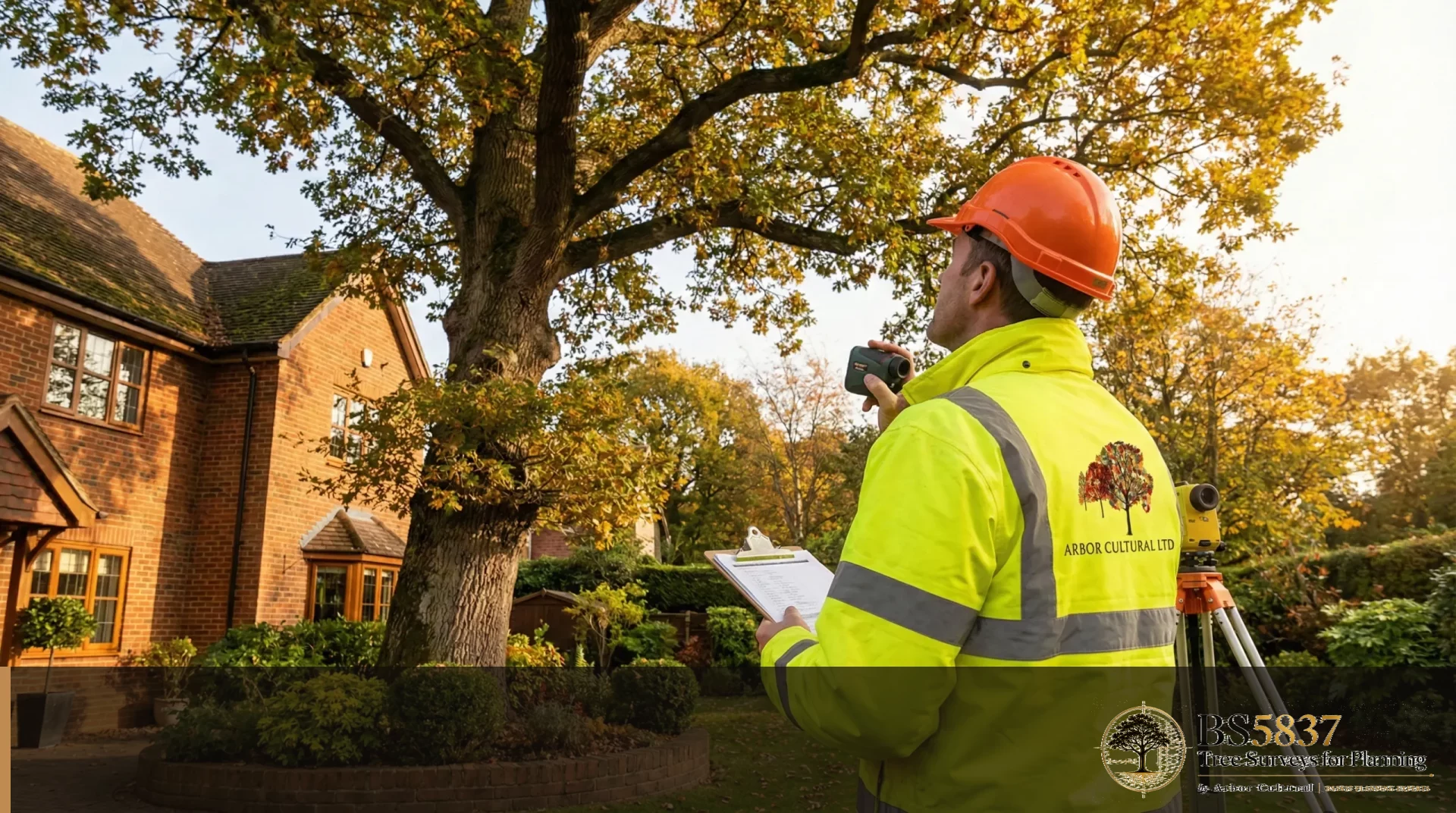
BS5837 tree surveys for planning can be requested in several ways. Planning requests can arrive as “BS5837 survey”, “tree report”, “arboricultural impact assessment”, “tree protection plan” or simply “provide arboricultural information”. The useful first step is not guessing which document the council means. It is sending the wording with the current project drawing.
From there, the work can be sequenced properly: baseline survey and constraints information while the design is flexible; impact assessment when there is a proposal to assess; method statements, protection plans and supervision once the scheme moves toward construction.
BS5837 tree surveys for planning should match what has already been prepared and what the Local Planning Authority is asking for now.
Record the trees that can influence the development and establish dependable baseline information.
Put crowns, quality categories and Root Protection Areas onto the design base before the layout is fixed.
Assess the live proposal and explain removals, retained-tree relationships and mitigation.
Use AMS, TPP and supervision where the approved scheme needs construction-stage controls.
The BS5837 process can lead into several documents. Each service page explains when the document is used, what to send and how it connects to the rest of the planning package.
The baseline site survey used to understand tree quality, crowns and Root Protection Areas before a planning layout is fixed.
View service →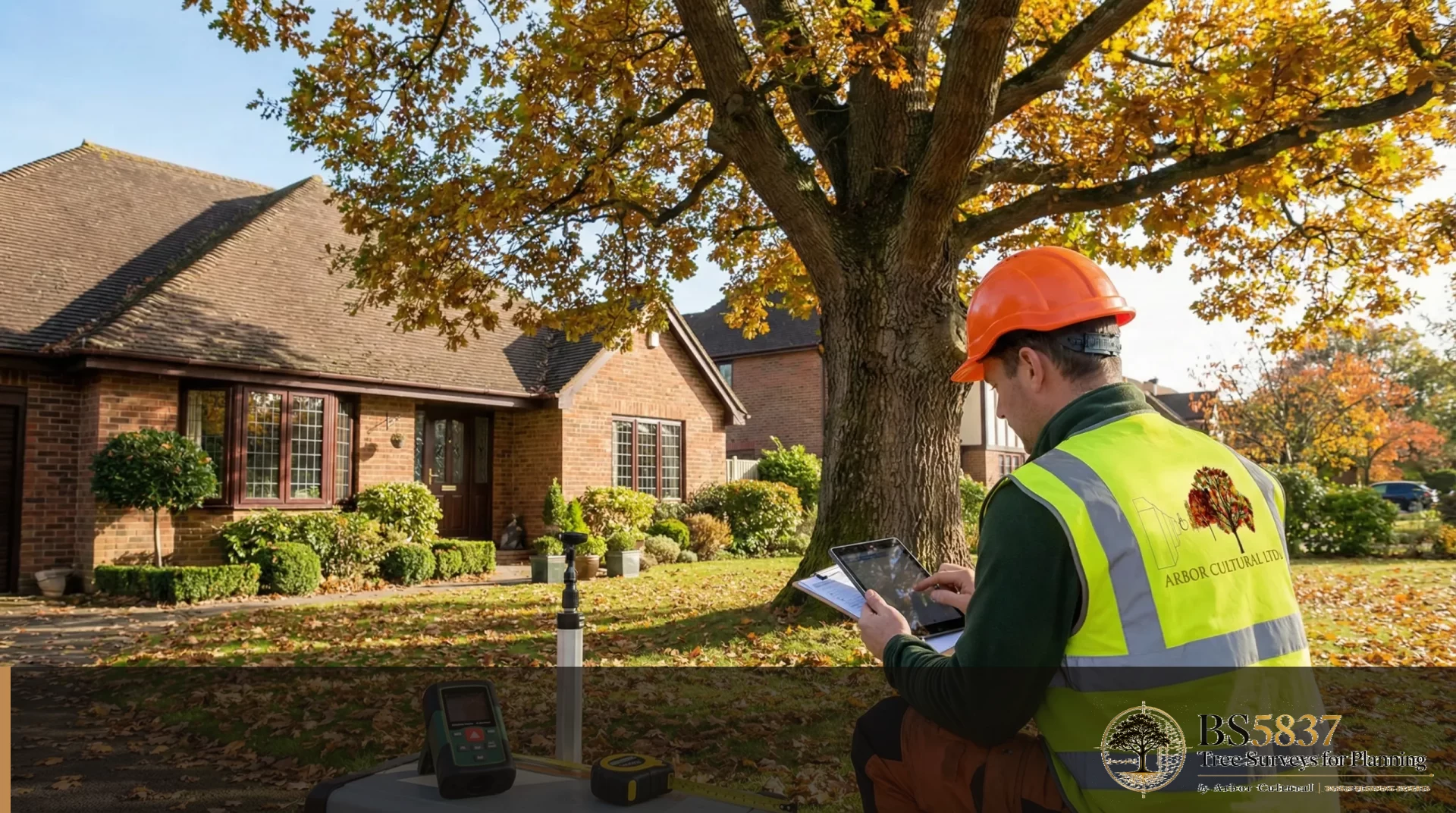
Clear arboricultural reporting that turns survey information and the live proposal into planning evidence the design team and LPA can follow.
View service →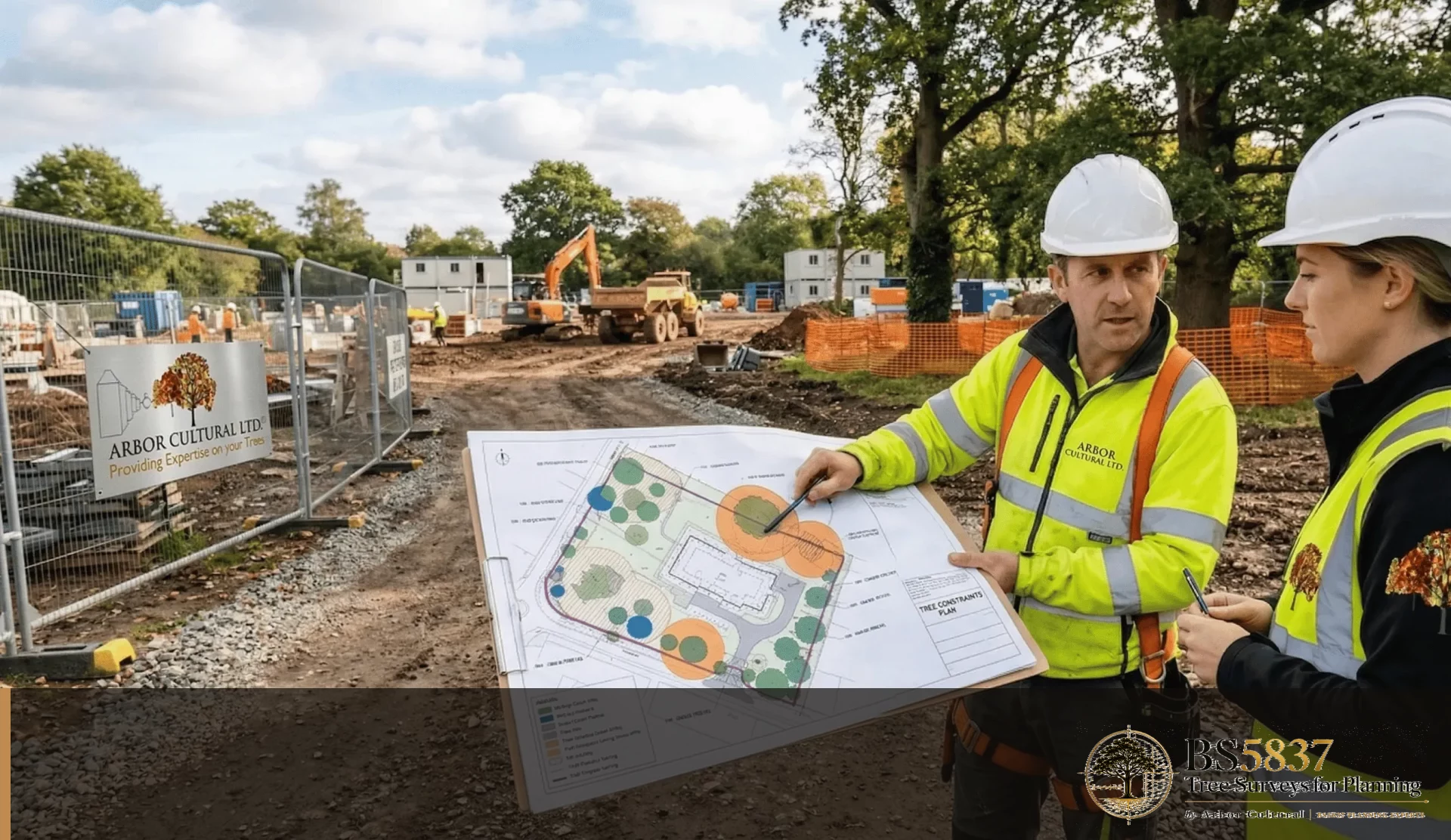
A design-stage plan that places crowns, RPAs and tree quality onto the project base so the architect can see the real constraints early.
View service →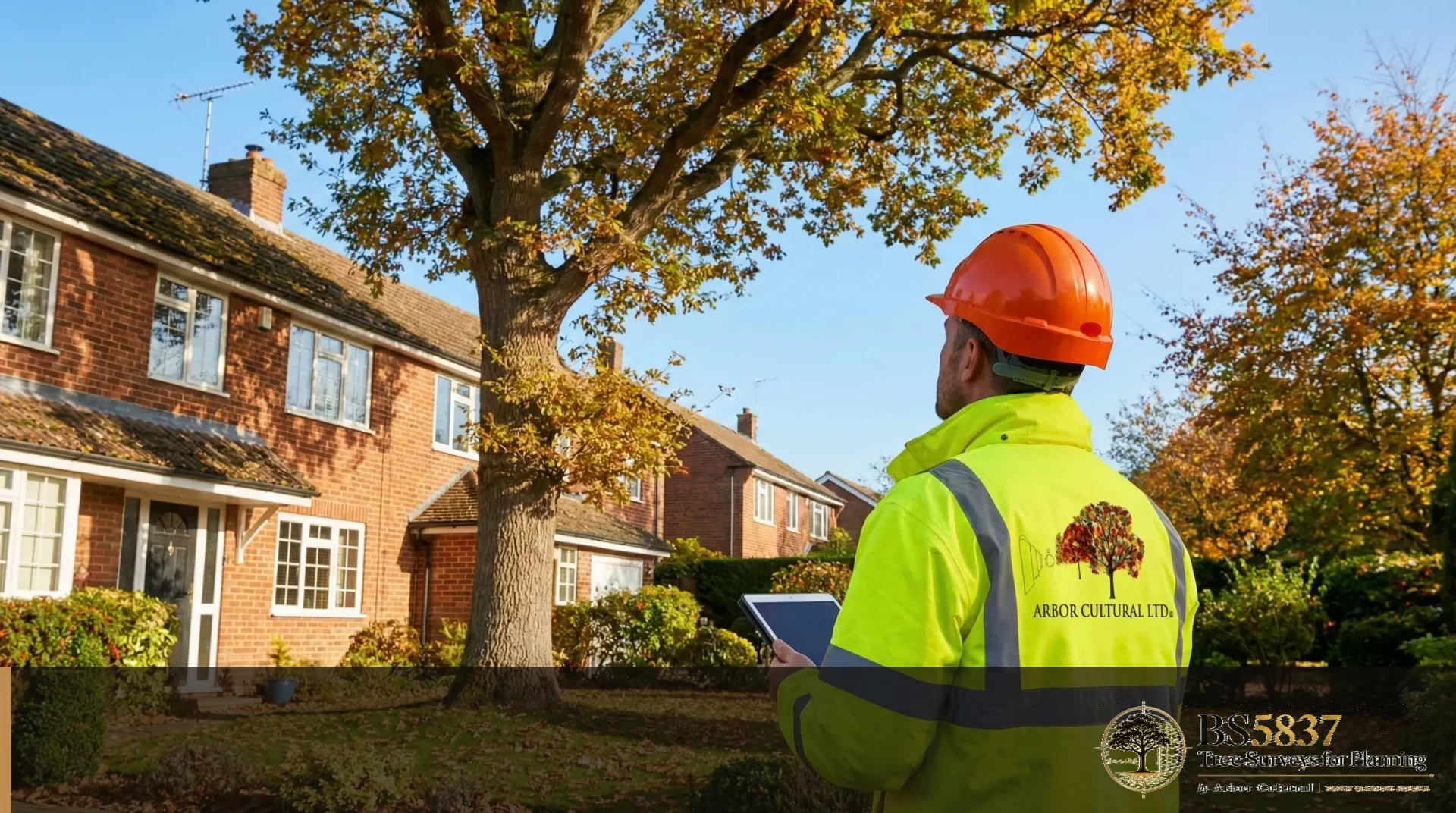
The planning-stage assessment that explains how the proposed development affects retained trees and how those effects will be addressed.
View service →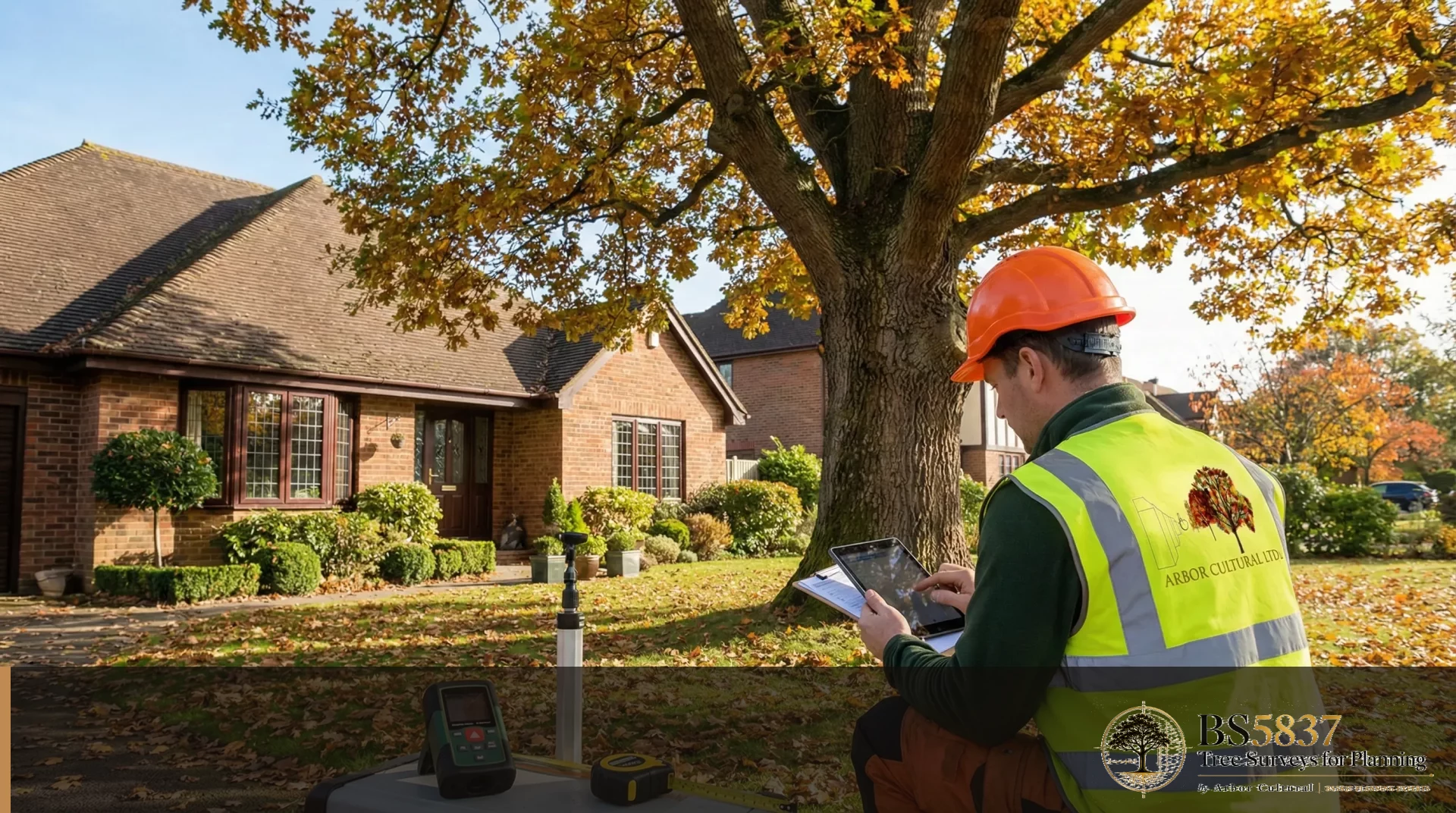
Practical construction instructions for carrying out work near retained trees without undermining the approved arboricultural strategy.
View service →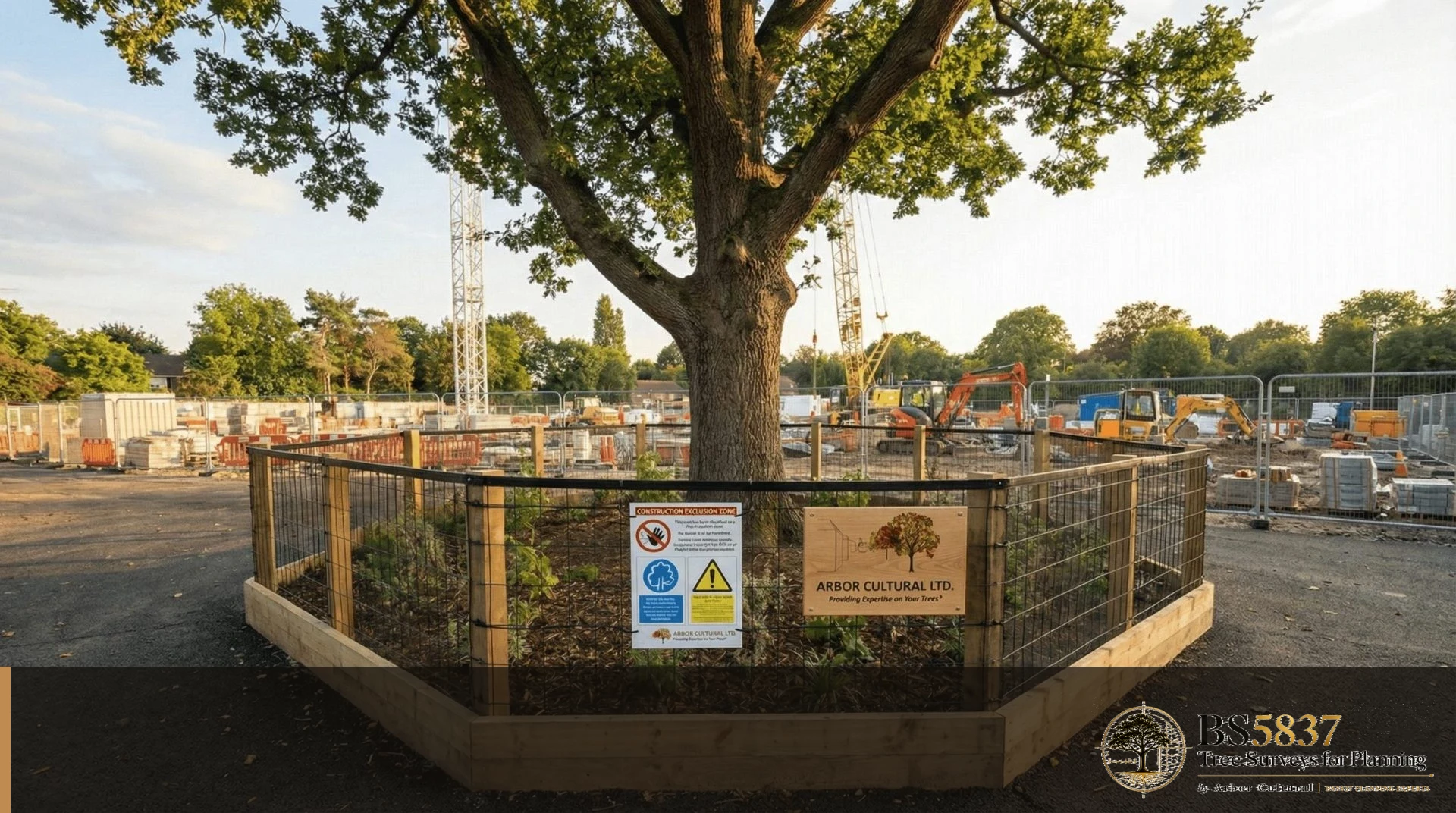
A clear construction drawing showing protective fencing, ground protection and controlled working areas around retained trees.
View service →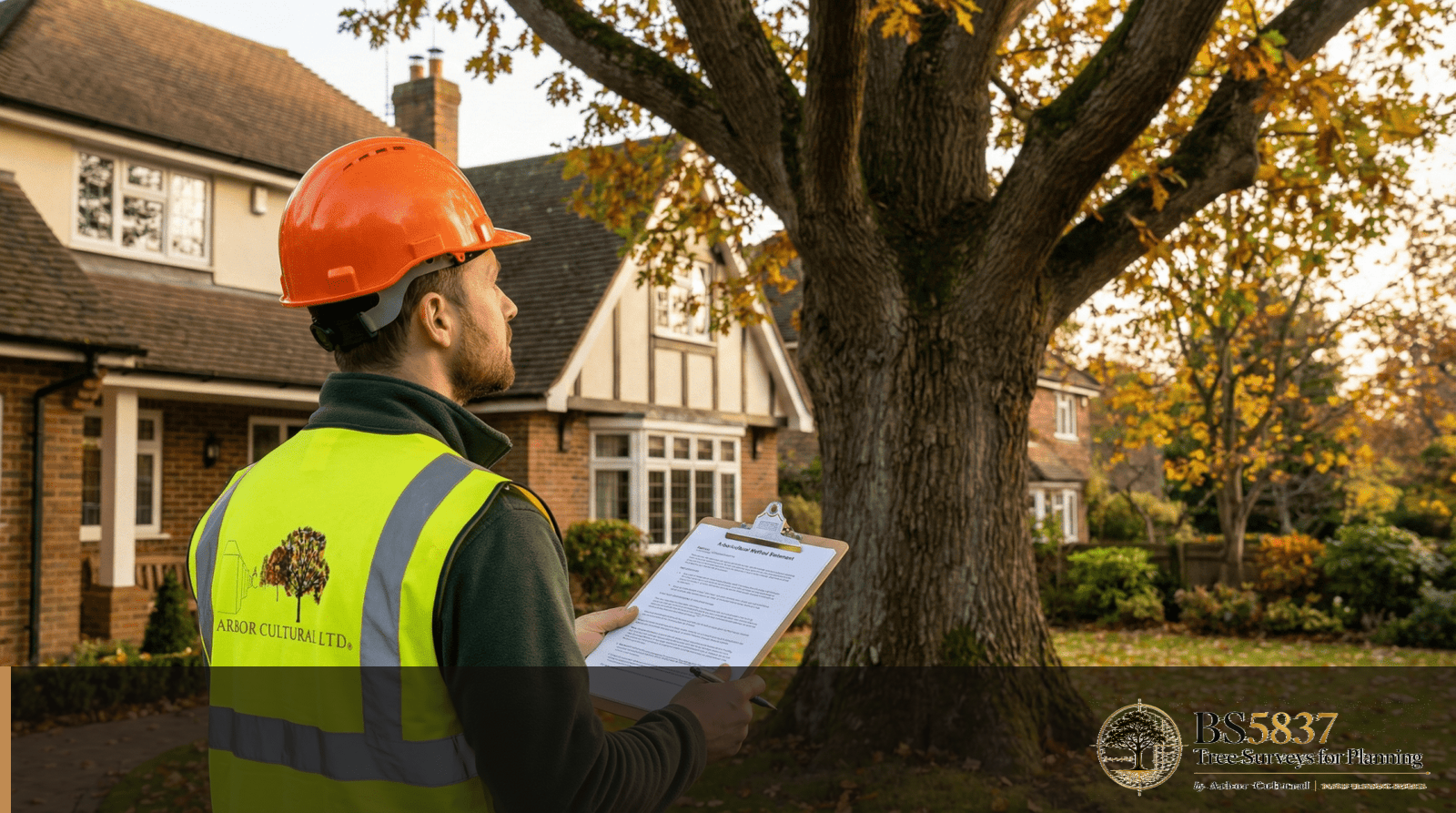
Consultant attendance at the tree-sensitive stages of construction, with practical advice and a record of compliance.
View service →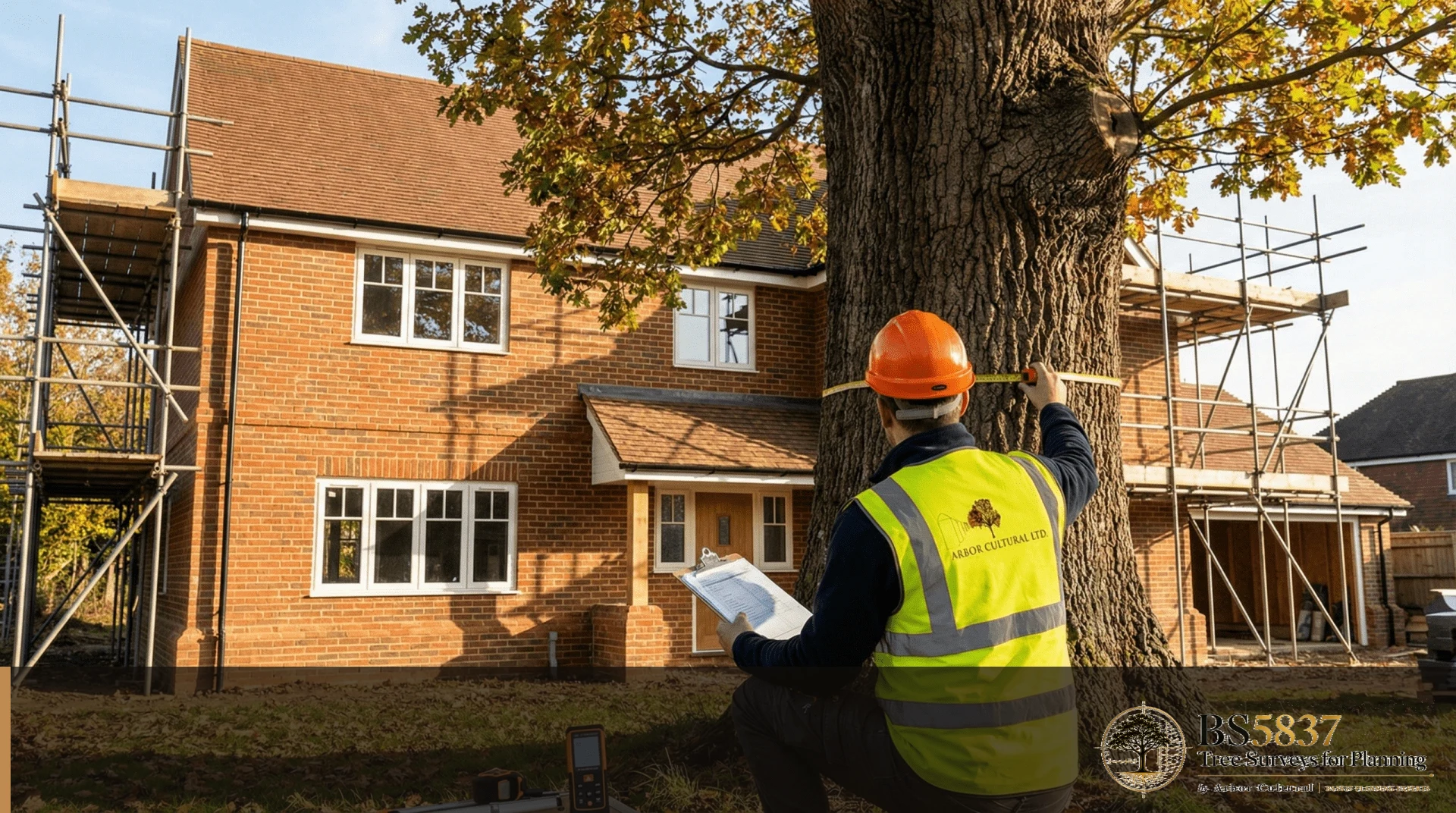
Targeted vegetation information for structural and foundation design where Building Control, an engineer or warranty provider has asked for tree data.
View service →Regional arboricultural planning support is available across London, the South and southern Midlands. This site keeps the planning journey simple: identify the authority, understand the project stage and commission only the tree work needed to move the application forward.
BS5837 tree surveys for planning cover all 33 London authorities, the South East, South West, Home Counties, East Anglia south of Norfolk, and the southern Midlands through Birmingham, Coventry, Warwickshire, Worcestershire and Herefordshire. Check your Local Planning Authority on the Planning Portal ↗.
Browse all planning areas →Most enquiries are not simply about buying a document. They are about getting a planning problem understood quickly enough for the design team to keep moving.
If the architect or council has asked for a tree survey, forward the wording rather than trying to decode it yourself. We can tell you whether the immediate need is a baseline survey, a report on the current layout or a construction-stage document.
Send the live drawing revision and topographical survey where available. Tree information is most useful when it is coordinated with the design the team is actually working on, not a superseded PDF from three revisions ago.
For larger or multi-stage schemes, keeping tree references consistent from feasibility through planning and condition discharge reduces duplicated work and makes the technical submission easier to follow.
Once permission is in place, the problem changes from explaining the design to delivering it safely. AMS, TPP and supervision should turn the planning commitments into practical site controls.
Start with three things. 1. The site address. This establishes the location and likely planning-authority context. 2. The latest drawing. Even a concept or planning PDF is useful because it shows what the project team is trying to build. 3. The exact wording. Send the validation request, planning condition, tree-officer email or architect instruction as written.
The work is easier to scope when the existing information is visible. If you also have a topographical survey, old tree report, previous planning decision or a deadline, include it. Existing information may reduce repeat work, and a hard planning or construction date can affect how the survey and reporting stages should be sequenced.
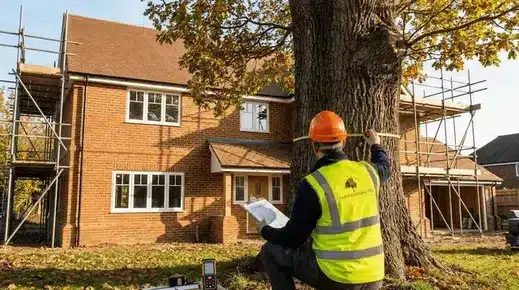
A development-focused tree survey that records the trees that can influence a site and provides the evidence base for design, planning and later arboricultural documents.
No. Send the original wording with the site address and current plans and the requirement can be scoped before you instruct.
Coverage includes Greater London, the South East, South West, Home Counties and southern Midlands through Birmingham, plus surrounding authority areas listed on this site.
The address, latest plan and council or consultant wording. Add a topo, previous tree report and deadline if you have them.
Depending on the project, the next stage can be a Tree Constraints Plan, Arboricultural Impact Assessment, Method Statement, Tree Protection Plan or supervision.
Sometimes. Existing documents should be reviewed against the current site and proposal before repeat work is recommended.
Yes. Building Control or structural surveys can use related vegetation data, but they answer a different regulatory question from BS5837 planning.
For BS5837 tree surveys for planning, we will review the request, define the next useful arboricultural stage and provide a fixed-fee proposal.